Best Numerica · 5 novembre 2026 / November 5, 2026 · 4 min read
Turmeric in Food Versus Supplements: Benefits, Limits and Risks
Understand the difference between culinary turmeric and concentrated curcumin supplements.
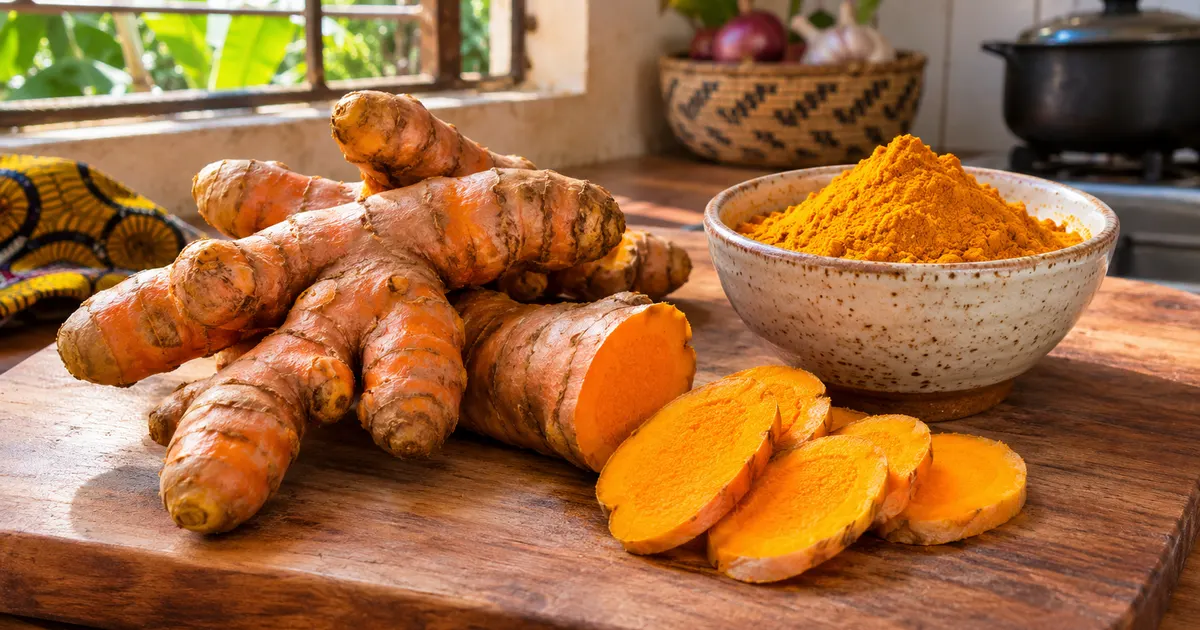
Spice is not the same as extract
Turmeric gives dishes a warm colour and earthy taste. A small quantity in a meal is not equivalent to a capsule containing concentrated curcumin. Dose, formulation and absorption can differ dramatically, so conclusions about supplements should not automatically be applied to food.
Evidence and exaggerated claims
Clinical research is exploring curcumin for several conditions, but results do not prove broad therapeutic benefits. Certain concentrated formulations have been linked to liver injury. Claims that turmeric cures diabetes, cancer or infertility are not supported as general medical advice.
A sensible approach
Enjoy turmeric as a culinary spice. Discuss supplements with a clinician if you take medicine or have liver disease. Unusual fatigue, dark urine or jaundice warrant medical evaluation. For turmeric farming, evaluate yield, costs, quality and reliable buyers rather than marketing unsupported health promises.
Reference sources
General information, not a diagnosis or a guarantee of results.